Beautiful Feet: A Guide to Understanding and Caring for Your Foundations
Our feet are the unsung heroes of our bodies. They carry us through life, often stuffed into shoes and bearing our entire weight, yet they are frequently the most neglected part of our self-care routine. The journey to “beautiful feet” isn’t just about aesthetics; it’s about health, comfort, and giving these hard workers the attention they deserve. At the heart of this care lies understanding one common issue: calluses.
Why Do Calluses Form?
Calluses are your skin’s built-in defense system. They are thickened, hardened patches of skin that develop in response to repeated pressure or friction. Think of them as your body’s attempt to protect sensitive tissues underneath from damage. Common culprits include ill-fitting shoes (too tight, too loose, or with stiff seams), high heels that shift weight forward, walking barefoot frequently, or even your unique gait and foot structure. Simply put, calluses form where your foot says, “I need extra armor here.”
Why Exfoliation is the Key to Success?
This is where exfoliation becomes non-negotiable. Dead skin cells build up rapidly on the soles, forming a tough, often yellowish or gray layer. This layer not only looks unattractive and can feel rough, but it can also crack, leading to painful fissures and an increased risk of infection. Regular exfoliation removes this dead barrier, revealing the softer, smoother skin beneath. It allows moisturizers to penetrate effectively, prevents excessive buildup, and is the fundamental step that transforms dry, tired feet into soft, healthy ones. Without it, you’re just layering lotion on top of a wall of dead cells.
Your At-Home Pedicure: A Simple Routine
You don’t need a spa appointment for beautiful feet. A consistent 20-minute weekly routine works wonders.
1. Soak: Begin by soaking your feet for 10-15 minutes in a basin of warm water. Add a handful of Epsom salts or a few drops of gentle soap. This softens the skin and calluses, making the next steps easier and more effective.
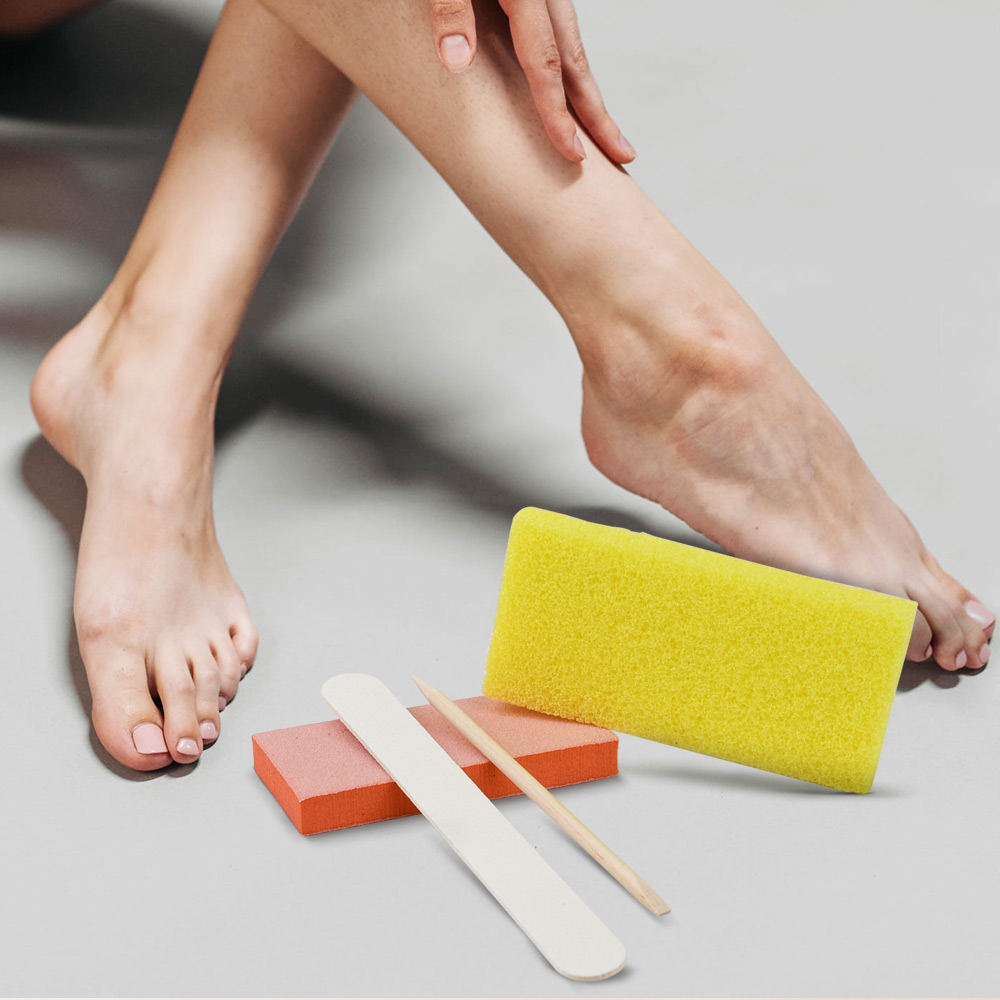
2. Exfoliate & File: This is the core step. After drying your feet, use a pumice stone or a foot file. Gently rub it over damp calluses using circular motions.
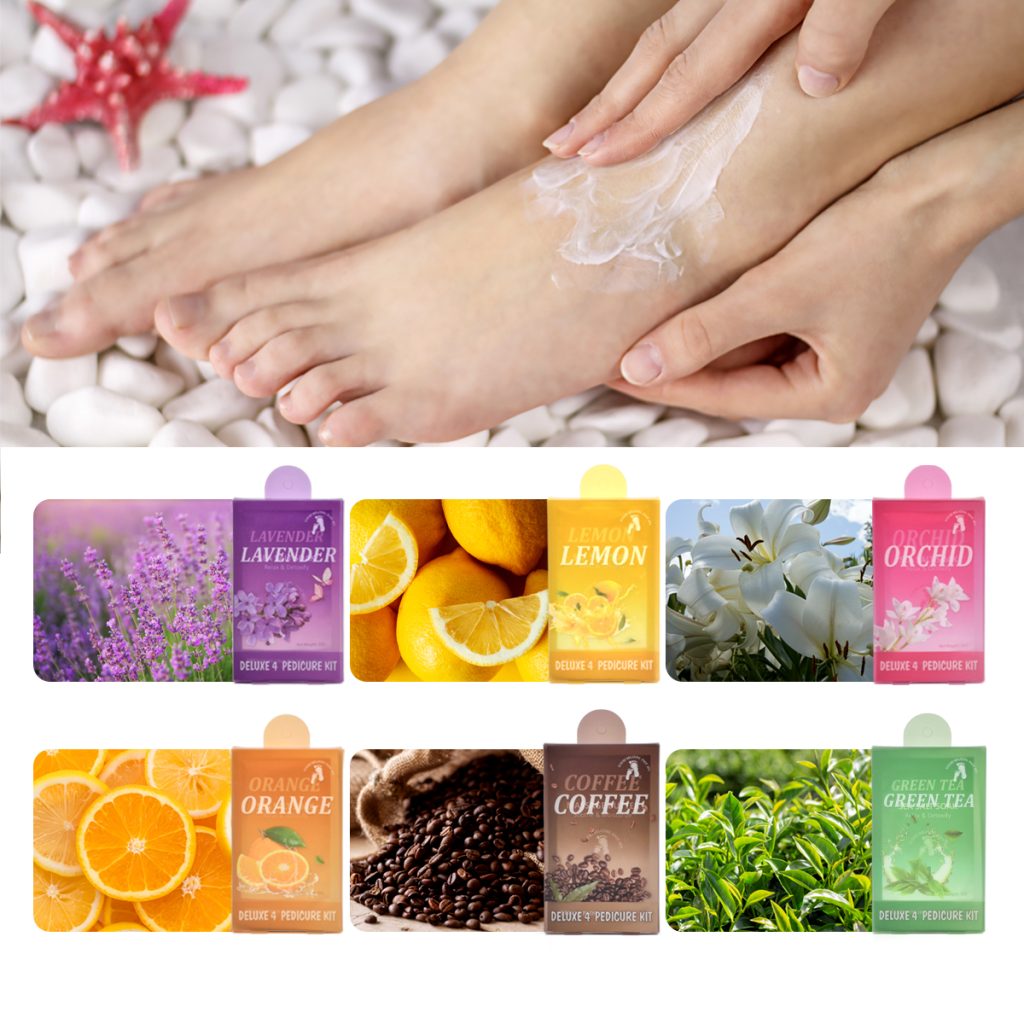
3. Moisturize Generously: Pat feet dry and immediately apply a thick, rich foot cream or urea-based lotion (urea is excellent for breaking down hardened skin). Massage it in thoroughly. For deep treatment, slip on a pair of cotton socks overnight to lock in the moisture.
4. Nail Care: Trim toenails straight across to prevent ingrown nails, and gently push back cuticles.
How to Safely Remove Calluses?
For persistent calluses, the method is patience and consistency within the routine above. After your soak, focus the pumice stone solely on the callused area. Apply moderate, even pressure. You may not see dramatic change in one session, but over 2-3 weeks, you will notice significant thinning. For very thick calluses, consider using an over-the-counter callus removal pad (containing salicylic acid) strictly as directed, but those with diabetes or poor circulation should consult a podiatrist first. Professional care is safest for severe cases.
How to Avoid Calluses in the First Place?
Prevention is always better than cure.
- Shoe Smarts: This is the #1 rule. Wear properly fitted shoes with adequate room for your toes. Choose supportive footwear for daily activities and save narrow or high-heeled shoes for special occasions. Ensure socks are seamless and fit well.
- Targeted Protection: If you have a bony prominence that rubs, use non-medicated moleskin pads or silicone toe sleeves as a buffer inside your shoe.
- Consistency is King: Make the soak-exfoliate-moisturize routine a weekly habit, even when your feet feel fine. This maintains skin integrity and prevents major buildup.
- Stay Hydrated: Drinking enough water benefits your skin from the inside out, including the skin on your feet.
Beautiful feet are healthy, cared-for feet. They are not necessarily callus-free—some minimal, smooth calluses are normal for protection—but they are soft, smooth, and pain-free. By understanding why calluses form and making regular, gentle exfoliation the cornerstone of your care, you empower yourself to walk confidently on a foundation of comfort and health. Your feet have carried you this far; they deserve nothing less.
Read also: Stiletto Nails: The Ultimate Guide to the Edgy Manicure

Related Posts
Why Proper Prep Is Everything?
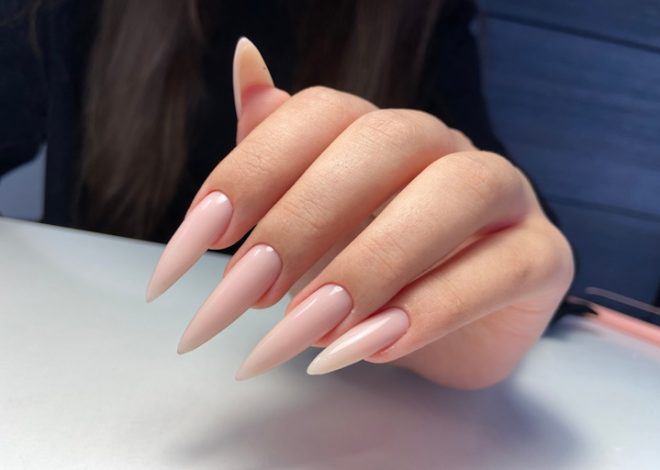
Stiletto Nails: The Ultimate Guide to the Edgy Manicure